
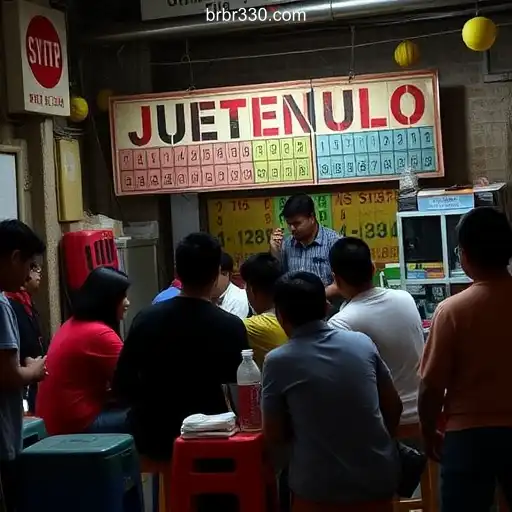
br330.com Oficial 💯️ - O melhor cassino online do Brasil | Jueteng: Cultural Phenomenon and Continuous Challenge
Examining the enduring popularity and socio-economic implications of Jueteng, a cultural staple in Filipino society, despite its illegal status. de br330.com Oficial 💯️ - O melhor cassino online do Brasil
Exploring Jueteng: A Deep Dive into This Popular Betting Game
Jueteng is a popular, albeit illegal, numbers game in the Philippines. Its allure lies in its simplicity and the potential to win significant amounts of money with minimal effort. Despite various efforts by the government to eradicate it, Jueteng has persisted, embedded deeply in the cultural fabric and daily life of many Filipinos.
The Rise and Persistence of Jueteng
This gambling game traces its roots to the Spanish colonial era, during which it gained substantial popularity. Over centuries, Jueteng has transformed into a cultural phenomenon. It is typically headed by local operators and draws its numbers twice daily, offering punters two opportunities to win.
Operators and participants argue that Jueteng is a form of entertainment and a means to make quick cash, likening it to legalized lotteries. Nonetheless, the game operates outside the law, often tangled with issues of corruption and abuse, influencing local politics and economics.
How Jueteng Works
Jueteng draws involve betting on a combination of two numbers, typically from 1 to 37. Players can place small wagers, often betting only a peso, with the potential for payouts that multiply their bet by tens or even hundreds of times. This low-risk high-reward scenario is a significant draw for many Filipinos, particularly those from low-income sectors.
The system’s apparent simplicity allows it to be informally managed, often in clandestine settings away from public view. The game relies on local coordinators who collect bets and manage payouts, creating a structure that is both informal and intricate, reliant on trust within the community.
Socio-Economic Impacts
The prevalence of Jueteng reflects broader societal issues in the Philippines, such as poverty and limited economic opportunities. For many, this game provides more than just a diversion from daily struggles; it is also a way to potentially improve their financial situation.
However, this comes with risks. The reliance on Jueteng as a pseudo-lion’s share economy sometimes results in families investing essential income into what is, inherently, a precarious venture. Moreover, the shadow economy fostered by Jueteng creates an environment where corruption can thrive. Law enforcement and political figures are often accused of complicity, accepting bribes to turn a blind eye to operations.
Efforts to Curb Jueteng
Numerous initiatives have been introduced to stop Jueteng. Crackdowns and legislation aim to stem its prevalence, but the game remains entrenched, largely due to its ingrained social acceptance and the substantial resources offered by game operators to protect their interests.
One notable campaign was the introduction of the Philippine Charity Sweepstakes Office (PCSO)'s Small Town Lottery (STL) as a legal alternative to Jueteng. This initiative intended to harness the widespread popularity of number games while diverting proceeds to government projects. However, the transition to a legal framework has met with mixed success, as STL is frequently criticized for being inadequate and failing to eliminate illegal setups.
Cultural Significance
On a cultural level, Jueteng has a unique place in the societal narrative. It reflects a broader theme of resilience and creativity among Filipinos in the face of limited institutional support and chronic socio-economic challenges. It also highlights the intersection of informal economic structures and communal trust, even as it operates beyond legal boundaries.
The allure isn't solely tied to personal gains but also a sense of belonging. Communities often rally around Jueteng draws, showcasing a familiar tradition that brings people together. This cultural dimension further complicates governmental attempts to address the game effectively.
Legalization Debates
Efforts to legalize Jueteng have been a hot topic, sparking debates across the political spectrum. Proponents argue legalization could lead to better regulatory oversight, channeling funds away from corrupt practices and back into community services and development programs.
Opponents counter that formal legalization could further entrench gambling within society, potentially exacerbating economic disparities and offering minuscule actual benefit to community development. The challenge remains striking a balance between curtailing illicit operations while respecting the socio-cultural dynamics at play.
Conclusion
Despite ongoing efforts from authorities, Jueteng persists as a testament to its deeply rooted presence in Philippine society. Its complex web of cultural significance, social ballet, and economic necessity ensures its continuation as a popular pastime.
As discussions about potential legalization continue, the conversation will need to encompass not only legal and economic factors but also the game’s indelible cultural fingerprint. Exploring Jueteng requires navigating a minefield of historical precedence, socio-economic challenges, and the undying spirit of the communities that keep its numbers alive.
While uncertainty shrouds its future, Jueteng will likely remain a staple, reflecting the eccentric intersection of leisure, livelihood, and culture in Filipino life.
